FIFA Announces 2026 World Cup Jerseys Will Be Made in West Africa
Benin leads the way in FIFA's new 'Made in West Africa' initiative — with Mali, Burkina Faso, Chad, and Ivory Coast also in line to join
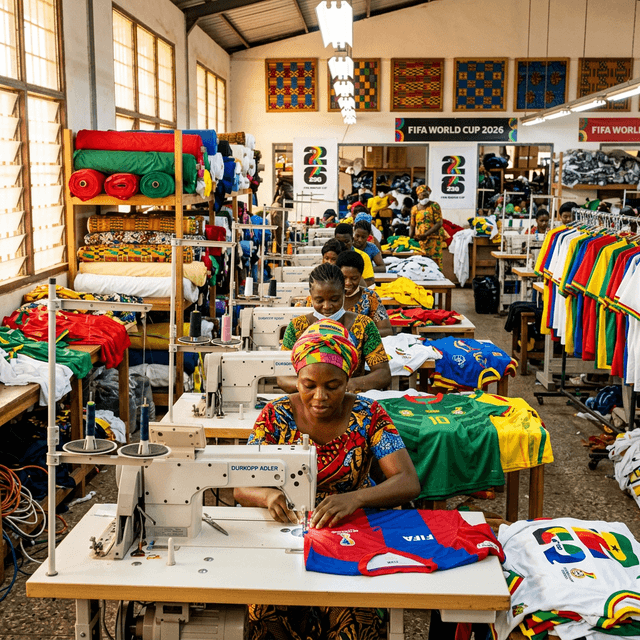
In a move that is set to reshape the economics of World Cup merchandise, FIFA has officially announced that a portion of the 2026 FIFA World Cup jerseys will be manufactured in West Africa — a historic first for football's governing body and a significant milestone for the region's textile industry.
The initiative, formally titled the "Made in West Africa" project, places the West African nation of 🇧🇯 Benin at the centre of the manufacturing programme, with the goal of directly strengthening the country's cotton and textile sector. Benin is one of Africa's largest cotton producers, and the partnership represents a meaningful step towards converting raw agricultural output into finished, high-value goods on home soil.
FIFA's Made in West Africa jersey initiative announced (via Facebook / gary.africa)
🌍 The Initiative at a Glance
| Detail | Information |
|---|---|
| Programme Name | Made in West Africa |
| Announced By | FIFA |
| Lead Country | 🇧🇯 Benin |
| Potential Expansion | 🇲🇱 Mali · 🇧🇫 Burkina Faso · 🇹🇩 Chad · 🇨🇮 Ivory Coast |
| Focus Industry | Cotton production & textile manufacturing |
| Tournament | 2026 FIFA World Cup (USA, Canada, Mexico) |
🧵 Why This Matters
West Africa is responsible for a significant share of the world's raw cotton production — yet the finished textile goods derived from that cotton have historically been manufactured elsewhere, primarily in Asia. The "Made in West Africa" programme is designed to close that gap, adding value locally and creating skilled manufacturing employment in the region.
For Benin in particular, the opportunity is transformative. The country's economy is heavily reliant on cotton exports, and converting that raw material into finished World Cup jerseys keeps more economic value within its borders — creating jobs, developing skills, and elevating the country's profile on the global manufacturing map.
FIFA's decision to attach the initiative to the world's most-watched sporting event is a powerful endorsement. The 2026 World Cup is expected to generate over five billion dollars in merchandise revenue globally — making even a partial share of jersey production a commercially and symbolically significant commitment.
🌐 Expansion on the Horizon
Beyond Benin, FIFA has indicated the initiative could extend to four additional West African nations:
- 🇲🇱 Mali — a major cotton producer with an established textile sector
- 🇧🇫 Burkina Faso — another significant cotton-growing economy
- 🇹🇩 Chad — expanding its agricultural-to-industrial value chain
- 🇨🇮 Ivory Coast — one of West Africa's most diversified economies
No formal confirmations have yet been made for these four nations, but FIFA's framing of the programme as an expandable regional initiative suggests the intent is to build something lasting beyond a single tournament.
⚽ The Bigger Picture
The announcement arrives at a moment when football's stakeholders are under increasing pressure to demonstrate that the sport's commercial machinery can generate positive outcomes for communities beyond the field of play.
Producing World Cup jerseys in West Africa is not merely a supply chain decision — it is a statement about where football's economic benefits can flow. For a region that is passionate about the game yet has historically been on the receiving end of the sport's commercial rewards rather than a producer of them, this initiative offers something tangible.
Three months before the 2026 World Cup kicks off in the United States, Canada, and Mexico, the jerseys worn by some of football's greatest stars may carry — quite literally — the craft of West African hands.
Follow all 2026 World Cup news: Full Match Schedule · All 16 Host Cities Guide · FIFA Ticket Guide · Algeria at the 2026 World Cup
Sources: FIFA.com official announcement, AfDB (African Development Bank), Reuters Africa